

Our
Story

Our society was officially born in 2025 in Salmon Arm, BC to help birds in Shuswap with their injuries, raising abandoned chicks, and rehabilitating them to return back to the wild. Birds who are permanently injured and are not able to survive in the wild, will stay in our Sanctuary as permanent residents. Our operation has policies of: "no Kill", zero waste and zero impact on our environment. We are not open to the public, but we offer occasional workshops and events for our Diamond level
sponsors (gala dinners in the Fall and Spring) when
quiet tours will be given.
2026 WORKSHOPS (profit goes to society):
September 20, 2026:
"Wild Edibles and how to use them in your kitchen"
- 4 hr. session, hands on learning
- short walk in the forest max.10 people cost:$95
-snacks, water/herbal teas included
email us: birdsanctuaryofshuswap@gmail.com
to register
About Birds of Shuswap

BALD EAGLE
The bald eagle is an important predator for ecosystem balance. These beings can be spotted during the herring run off Vancouver Island swooping down to catch fish. They also consume small mammals and birds, and will scavenge for food. These majestic birds play an important role in nutrient cycling, by bringing marine nutrients (found in fish) into terrestrial ecosystems. This can help trees grow taller through enriching the soil. These birds are creatures of habit. They like to use the same nest every year and build it up in the tall trees. They put in a lot of energy to create these nests, and a single nest can weigh more than a car.


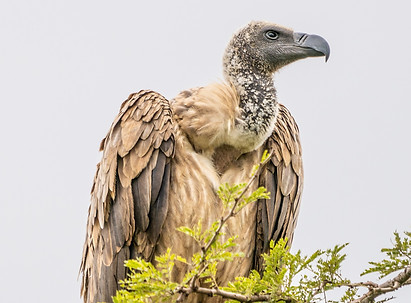
VULTURE
Vultures are essential for our environment because they stop diseases, clean up waste, and recycle nutrients. Without them, dead animals would rot longer and spread dangerous sickness.
Why Vultures Matter
-
Disease Control: Their strong stomach acid destroys deadly germs like anthrax and botulism.
-
Fast Cleanup: They clear away carcasses before harmful bacteria or other pests can multiply.
-
Ecosystem Balance: They keep nature sanitary and return important nutrients back to the soil.
-
These magnificent birds are often misunderstood and their role in forest habitat is crucial.
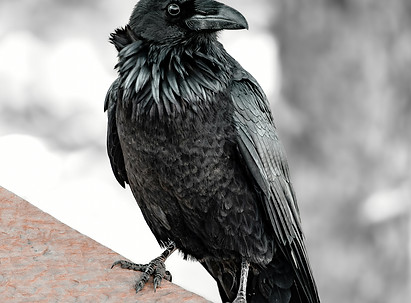
RAVEN
Common ravens are socially monogamous birds that mate for life, exhibiting complex courtship displays like acrobatic aerial stunts, and reaching sexual maturity around 3 to 4 years of age.
Courtship and Pairing
-
Aerial acrobatics: Males perform thrilling dives, barrel rolls, and soaring displays to impress potential partners.
-
Bond-affirming gestures: Pairs preen each other's feathers (allopreening) and gently touch
-
Gifting: Males often share food with females to strengthen their emotional bond before nesting
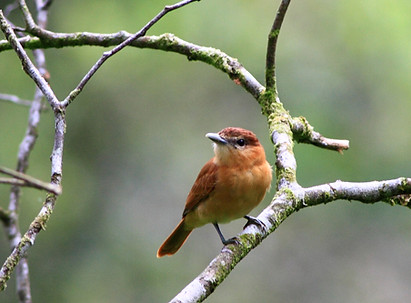
CHICKADEE
Chickadees are cavity nesters that build cozy, cup-shaped nests out of moss, animal fur, and plant fibers. They breed from April to July, laying 6 to 8 speckled eggs. The female incubates for 12 days, and the fledglings leave the nest 16 to 18 days after hatching.
Chickadee eggs are tiny, white, and speckled with fine reddish-brown dots, often concentrated at the larger end. The female lays one egg per day, typically early in the morning, creating a clutch of 6 to 8 eggs.
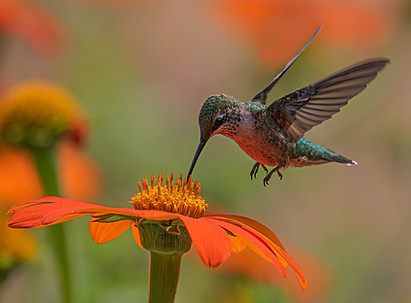
HUMMINGBIRD
-
Joy and Positivity: Their constant darting and attraction to bright blooms remind people to enjoy small pleasures and stay cheerful.
-
Resilience and Stamina: Despite their tiny size, they travel huge distances, representing great inner strength and survival.
-
Adaptability: Their unique ability to hover and fly backward or in any direction signifies flexibility during unexpected life changes.

ROBIN
Robins are famous backyard birds known for their bright orange chests, early morning songs, and love for earthworms. Five interesting facts about them include their ability to lay bright blue eggs, their habit of eating fermented berries, and their unique hunting style.
When hunting on lawns, a robin will stop and tilt its head sideways. They are actually listening for the sound of worms moving underground rather than just looking.
.
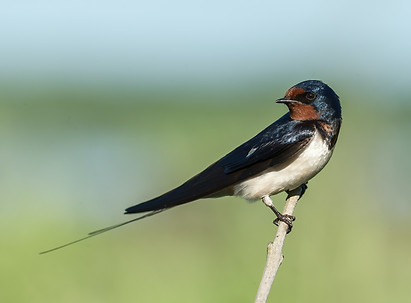
SWALLOW
There are eight species of swallows native to Canada, including the Barn Swallow, Tree Swallow, and Bank Swallow. These small, agile birds migrate to Canada in the spring and summer to catch flying bugs in the open air.
Common Swallow Species in Canada
-
Barn Swallow: Famous for its deep forked tail and dark blue back. It builds mud nests on human-made structures like barns and bridges.
-
Tree Swallow: Has a bright blue-green back and a clean white belly. It nests in tree cavities and bird boxes near water.
-
Bank Swallow: A tiny brown bird with a dark band across its chest. It digs tunnel homes into sandy dirt cliffs by rivers.
-
Cliff Swallow: Recognizable by a pale square patch on its lower back and a rusty-orange rump. It glues gourd-shaped mud nests to high walls and cliffs
.
-
Northern Rough-winged Swallow: A plain brown bird with dull wings that lives near streams and sand banks.
-
Violet-green Swallow: Features a gorgeous green and purple back with white patches on the side. It lives mostly in western Canada.
-
Purple Martin: The largest swallow in North America. The males are a dark, glossy purple-blue.
-
Cave Swallow: A rare and occasional visitor related to the Cliff Swallow, mostly found in southern regions.
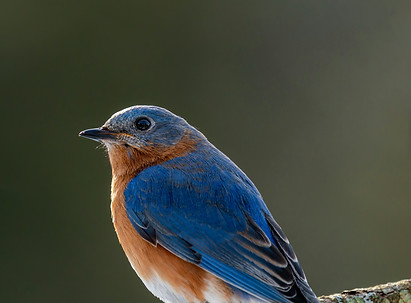
BLUEBIRD
Bluebirds represent
-
Happiness and Joy: Universally viewed as a harbinger of cheer, prosperity, and positive life changes.
-
Renewal and Spring: Often painted alongside spring blossoms to represent new beginnings and the awakening of nature after winter.
-
Spiritual Messengers: Linked in Native American traditions (such as Navajo folklore) to the sacred dawn and the rising sun.
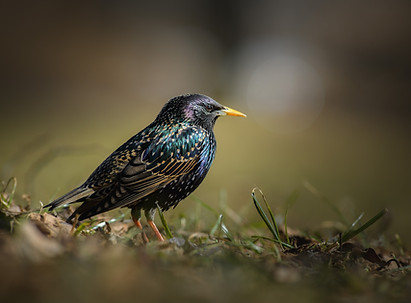
STARLING
Starlings are special because of their breathtaking aerial group dances, brilliant sound-mimicking skills, and shimmering color-changing feathers.
-
Males can copy the sounds of up to 20 other bird species.
-
They also copy noises like car alarms, doorbells, and human speech.
-
Famous composer Wolfgang Amadeus Mozart even kept a pet starling that sang tunes.

Great Grey Owl
-
The Great Gray Owl is a dapper owl dressed in a gray suit with a bow tie across its neck and a surprised look on its face. In the stillness of a cold mountain meadow, this elusive giant quietly floats on broad wings across meadows and openings in evergreen forests. They are mostly owls of the boreal forest with small populations in western mountains, but in some years they move farther south in search of food, giving some a unique opportunity to see this majestic owl.
-
Great Gray Owls are powerful birds. Despite weighing only 2.5 pounds, they can break through hard packed snow to grab a small mammal. One bird reportedly broke through snow that was hard enough to support a 176-pound human.
-
Great Gray Owls are big owls, which means that they need to eat regularly. In the winter, they eat up to 7 vole-sized small mammals every day.
-
Both the common and scientific names are apt for this large gray owl. The Latin name for Great Gray Owl is Strix nebulosa. Strix means to utter shrill sounds and nebulosa means misty or cloudy, referring to its gray color.
-
credit:Allaboutthebirds.org

Mallard
Physical Characteristics
-
Size: Adults measure 20 to 26 inches long with a wingspan up to 39 inches and weigh between 1.5 and 3.5 pounds.
-
Males (Drakes): Feature a bright iridescent green head, a white neck ring, a chestnut-brown chest, and a yellow bill.
-
Females (Hens): Display mottled brown plumage with an orange-and-brown bill and give the classic loud "quack" sound.
-
Both Sexes: Share a distinct violet-blue speculum patch on the wings bordered with white.
Diet and Behavior
-
Feeding: They are dabbling ducks that feed by tipping forward in shallow water to eat plants, seeds, and invertebrates rather than fully diving.
-
Habitat: Highly adaptable, they thrive in wetlands, lakes, rivers, ponds, and urban parks.
-
Migration: Northern populations form flocks and migrate south for the winter.
Reproduction
-
Pairing: Pairs form during the fall and winter months.
-
Nesting: The female builds a ground nest near water and lays 8 to 13 eggs.
-
Ducklings: Hatch after roughly 27 to 28 days and can swim independently within hours of birth.